Sign In | Join Free | My benadorassociates.com
China Quanzhou Yisenneng Hydraulic Electromechanical Equipment Co., Ltd. logo
Quanzhou Yisenneng Hydraulic Electromechanical Equipment Co., Ltd.
Verified Supplier

2 Years

Home > Moog Servo Valve >

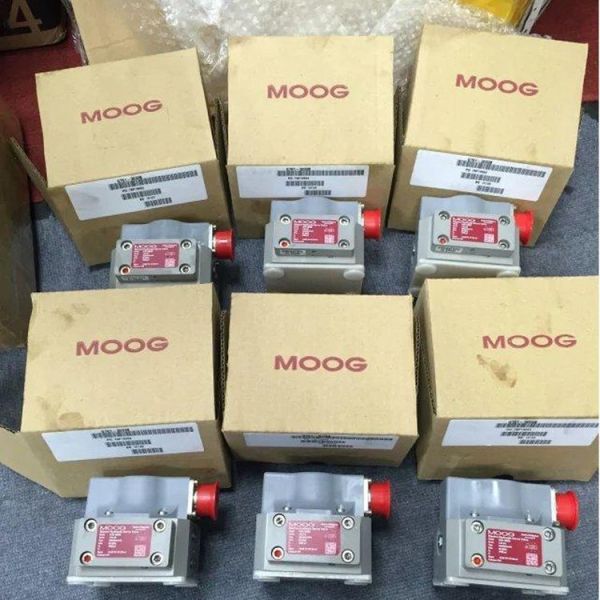
Moog Servo Valve with Current Loop Width up to 2500Hz and Response Time less than 10ms for LED Touch Control Appliions

Quanzhou Yisenneng Hydraulic Electromechanical Equipment Co., Ltd.
Trust Seal
Verified Supplier
Credit Check
Supplier Assessment
Contact Now

Moog Servo Valve with Current Loop Width up to 2500Hz and Response Time less than 10ms for LED Touch Control Appliions

  • 1
  • 2

Brand Name : MOOG

Model Number : D661-4782 D661-4790 D661-4826 D661-4867 D661-5611 D661-5625C D633-303B D633-308B D633-313B D633-317B

Certifiion : ISO

Place of Origin : Germany

MOQ : 1

Price : 2

Payment Terms : MoneyGram,Western Union,T/T,D/P,L/C,D/A

Supply Ability : 30

Delivery Time : 2 weeks

Packaging Details : wooden box

Inlet Connection : Threaded or Flanged

Weight : 12 kg

Material : Cast Iron

Seal Type : Lip Seal or Mechanical Seal

Size : 290*180mm

Condition : Internal meshing principle

Transport Package : Wooden Box

Power : Electric,Hydraulic

Type : Axial Piston Pump

Contact Now

MOOG D661 Series Servo Proportional Valves
Product Models
D661-4782
D661-4790
D661-4826
D661-4867
D661-5611
D661-5625C
D633-303B
D633-308B
D633-313B
D633-317B

Current loop width up to 2500Hz, response time less than 10ms

Technical Specifiions
Parameter Value Parameter Value
Rated current 1A Voltage 24V/220V
Power 0.1 kW Brand MOOG
Place of origin Germany Appliion LED touch control
Material PVC, Steel, Copper Rated frequency 50 Hz
Type Servo proportional valve Control Electro hydraulic/Proportional
Material Advanced alloy steel/cast iron
Moog Servo Valve with Current Loop Width up to 2500Hz and Response Time less than 10ms for LED Touch Control Appliions
Frequently Asked Questions
1. What is an Electrohydraulic Servo Valve?

An electrohydraulic servo valve is a precision component that acts as an interface between the electrical control system and the hydraulic power system. It receives a low-power electrical analog signal and converts it into a proportional, high-power hydraulic output (flow and pressure). This makes it a crucial control core in electrohydraulic servo systems, responsible for both electrical-to-hydraulic signal conversion and power amplifiion.

2. How does a Moog Servo Valve work?

A Moog servo valve typically consists of a polarized electrical torque motor and a two-stage hydraulic amplifier.

  • First Stage: The torque motor deflects an armature and a flapper attached to it. This flapper moves between two nozzles, creating variable orifices that control the pressure on either end of the second-stage spool.
  • Second Stage: The differential pressure moves the spool, which then controls the flow of hydraulic fluid to the actuator. A feedback spring, connected to the flapper and engaging the spool, creates a force that balances the input signal torque, ensuring precise spool positioning proportional to the electrical command.
3. What are the key installation requirements?

Proper installation is critical for performance and longevity.

  • Filtration: Install a precision filter with a rating of 5 microns or less upstream of the servo valve. The hydraulic fluid cleanliness should be maintained at a maximum ISO DIS 4406 Code 16/13, with Code 14/11 recommended.
  • System Flushing: Before installing the servo valve, the entire hydraulic system must be thoroughly flushed to remove contaminants. Use a flushing manifold and circulate fluid under conditions simulating normal operation.
  • Mounting: The valve can be mounted in any orientation, ensuring port alignments match the manifold. The mounting surface should be clean, smooth, and flat. Use the specified screws and torque them to 96 inch-pounds.
  • Connections: Use O-ring seal connections (e.g., SAE J1926) and avoid welded fittings. Prefer crimped or 24-degree cone type connections.
4. What are common faults and how can I troubleshoot them?

Common faults can be egorized as follows:

  • Electrical Faults: Include power supply failure, cable damage, or poor contact. Check the supply voltage, cables, and connectors.
  • Mechanical Failures: Such as a stuck valve spool, damaged springs, or worn seals. Regular inspection, cleaning, lubriion, and part replacement are necessary.
  • Hydraulic Faults: Including oil contamination, low oil level, or oil leaks. Regularly replace and filter the oil, check oil levels, and repair leaks.
  • Valve Oscillation: Unstable operation may be caused by issues with the servo valve's resolution, wear of the valve port, or incorrect control system parameters.
Troubleshooting Chart
Potential Trouble Probable Cause
Servovalve does not follow input command 1. Open coil or coil leads.
2. Clogged inlet filter.
Poor response 1. Clogged inlet orifices or nozzles.
2. Partially clogged filter.
3. "Sticky" spool.
No response to electrical signal Shorted coil assembly.
Low flow gain 1. Incorrect null adjustment.
2. Partially plugged orifice or filter.
5. What does daily maintenance involve?

Routine maintenance focuses on preventing common faults:

  • Hydraulic Fluid: Maintain the recommended cleanliness level. Change the oil regularly (e.g., every six months) and keep the oil temperature within the 40°C to 50°C range.
  • Filters: Monitor the pressure drop across filters and replace elements periodically or when the pressure drop becomes excessive.
  • General Inspection: Regularly check for oil leaks, inspect the valve for unusual noises or vibrations, and ensure electrical connections are secure.
  • Sealed Tank: The hydraulic reservoir should be sealed and equipped with an air breather and a magnetic filter.
6. What is "Mechanical Null Adjustment"?

The mechanical null adjustment allows you to calibrate the valve's flow null (the spool position where no flow passes to the actuator when the input signal is zero) independently of other system parameters. This is done by rotating an eccentric bushing retainer pin with an Allen wrench, which can adjust the flow null by at least ±20%. This adjustment should be performed if system components are drifting or stuck in a hardover position.


Product Tags:

Current Loop Width up to 2500Hz Moog Servo Valve


Response Time less than 10ms Electro Hydraulic Servo Valve


Rated Current 1A Proportional Flow Control Valve

      
Quality Moog Servo Valve with Current Loop Width up to 2500Hz and Response Time less than 10ms for LED Touch Control Appliions for sale

Moog Servo Valve with Current Loop Width up to 2500Hz and Response Time less than 10ms for LED Touch Control Appliions Images

Inquiry Cart 0
Send your message to this supplier
 
*From:
*To: Quanzhou Yisenneng Hydraulic Electromechanical Equipment Co., Ltd.
*Subject:
*Message:
Characters Remaining: (0/3000)